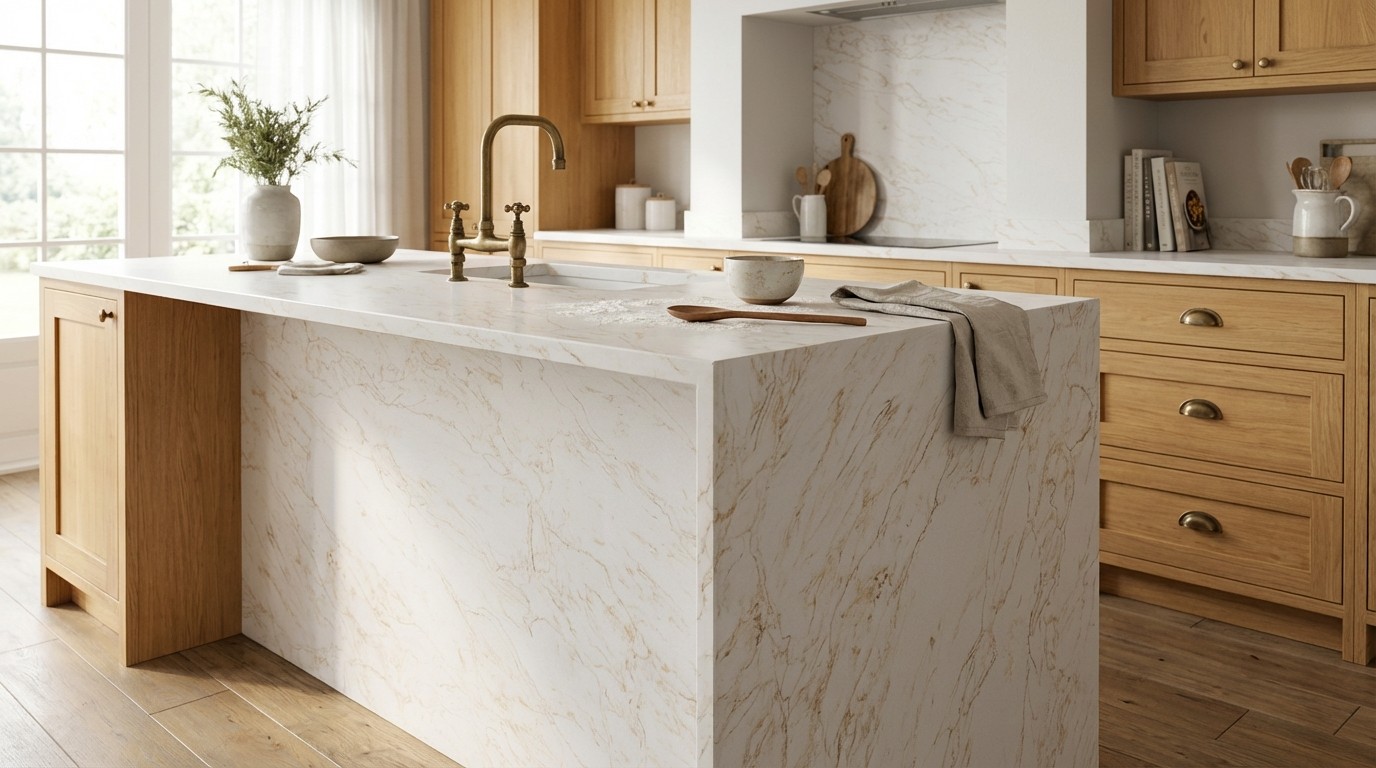
Care & Maintenance
A beautifully made surface should be easy to live with.
Whether your worktop is marble, granite, quartzite, quartz or porcelain, the principles of good care remain much the same. Keep the surface clean, keep it dry, and avoid leaving residue behind.
The aim is not to make the surface look artificially polished. It is to keep it naturally clear, consistent and well cared for.
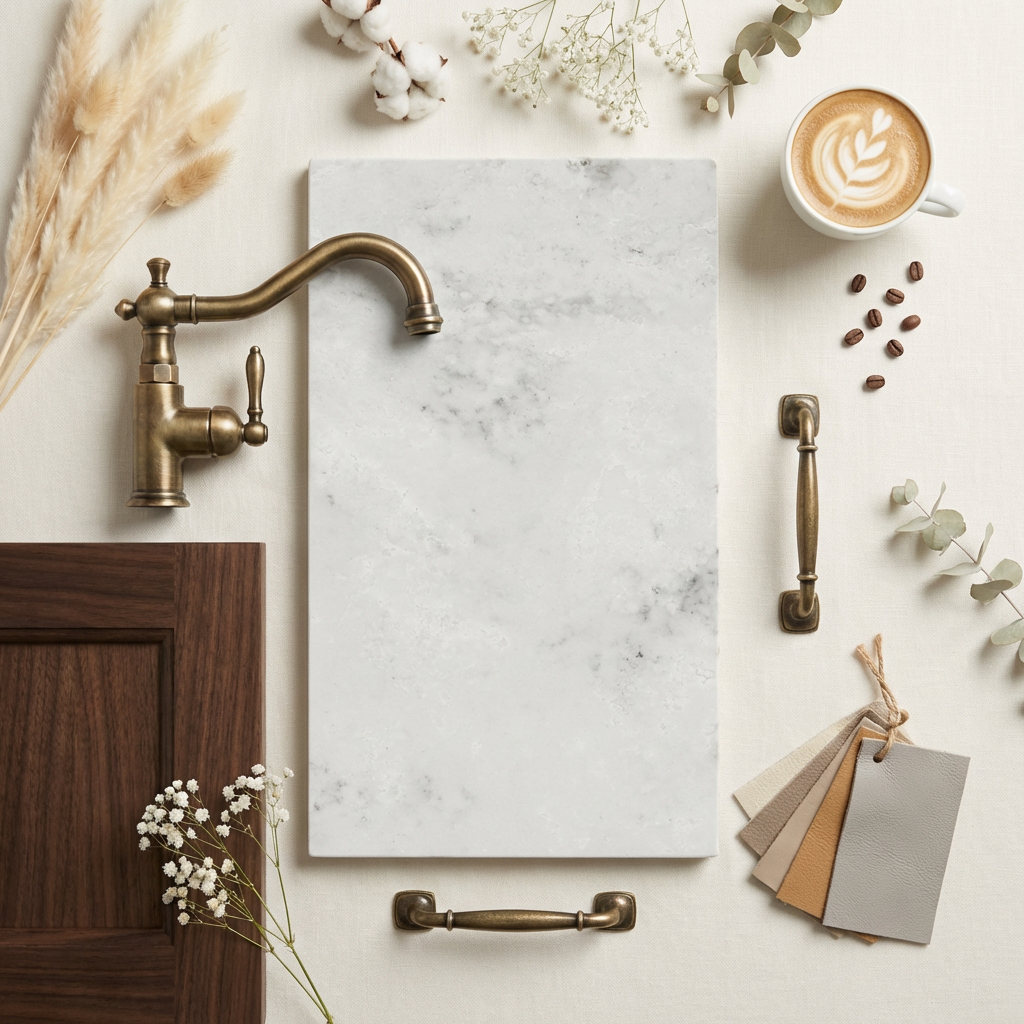
Everyday Cleaning
For day-to-day care, we recommend what we call the three cloth method.
This is the simplest and most effective way to remove dirt properly, avoid smearing, and keep the finish looking clean and even.
Use three microfibre cloths and a neutral cleaning product with no additives.
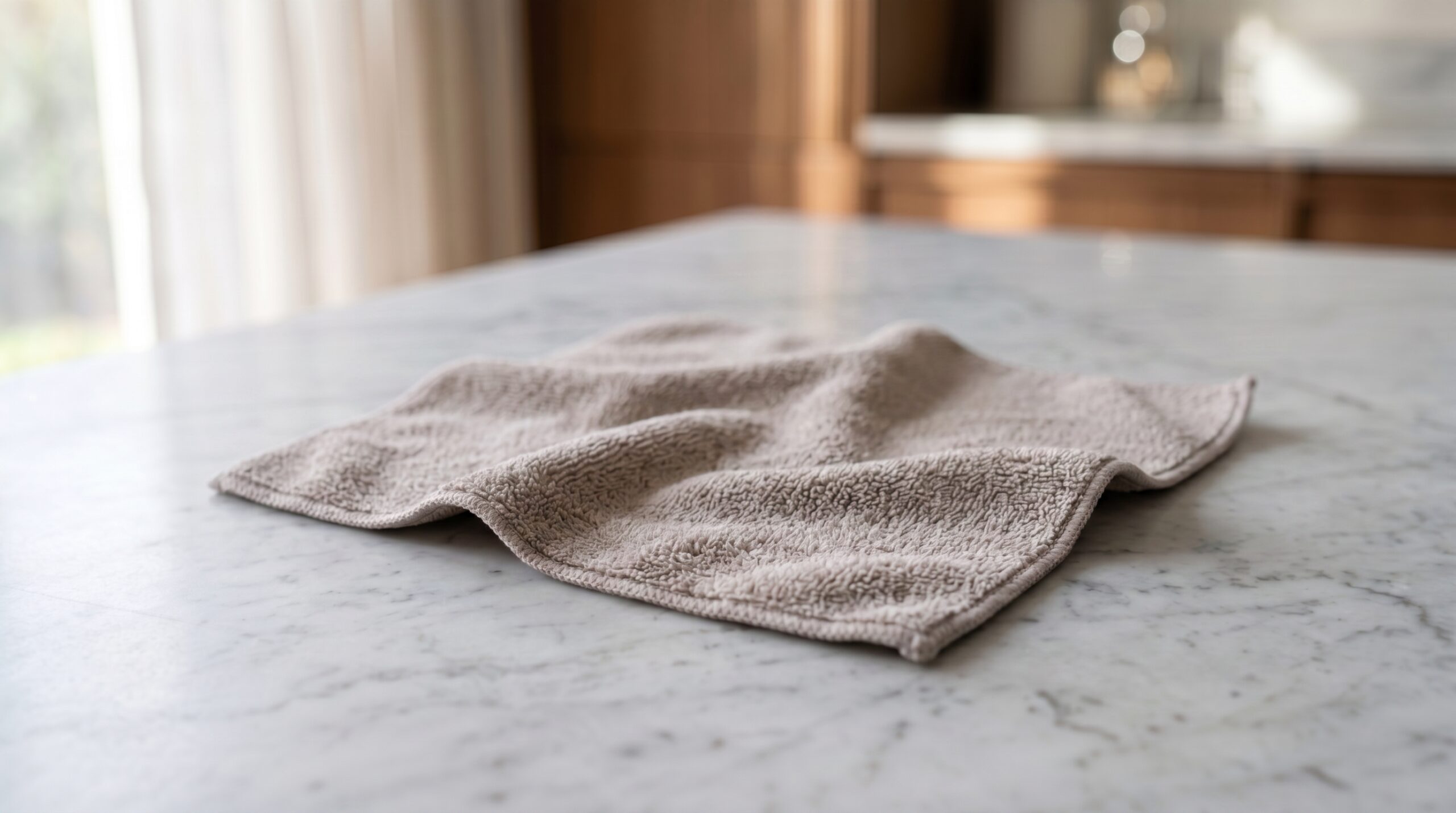
The dirt-buster cloth
Your first cloth does the hard work. Use it to spray down and wipe away the majority of day-to-day dirt and marks. This is the cloth that lifts the bulk of the residue from the surface.
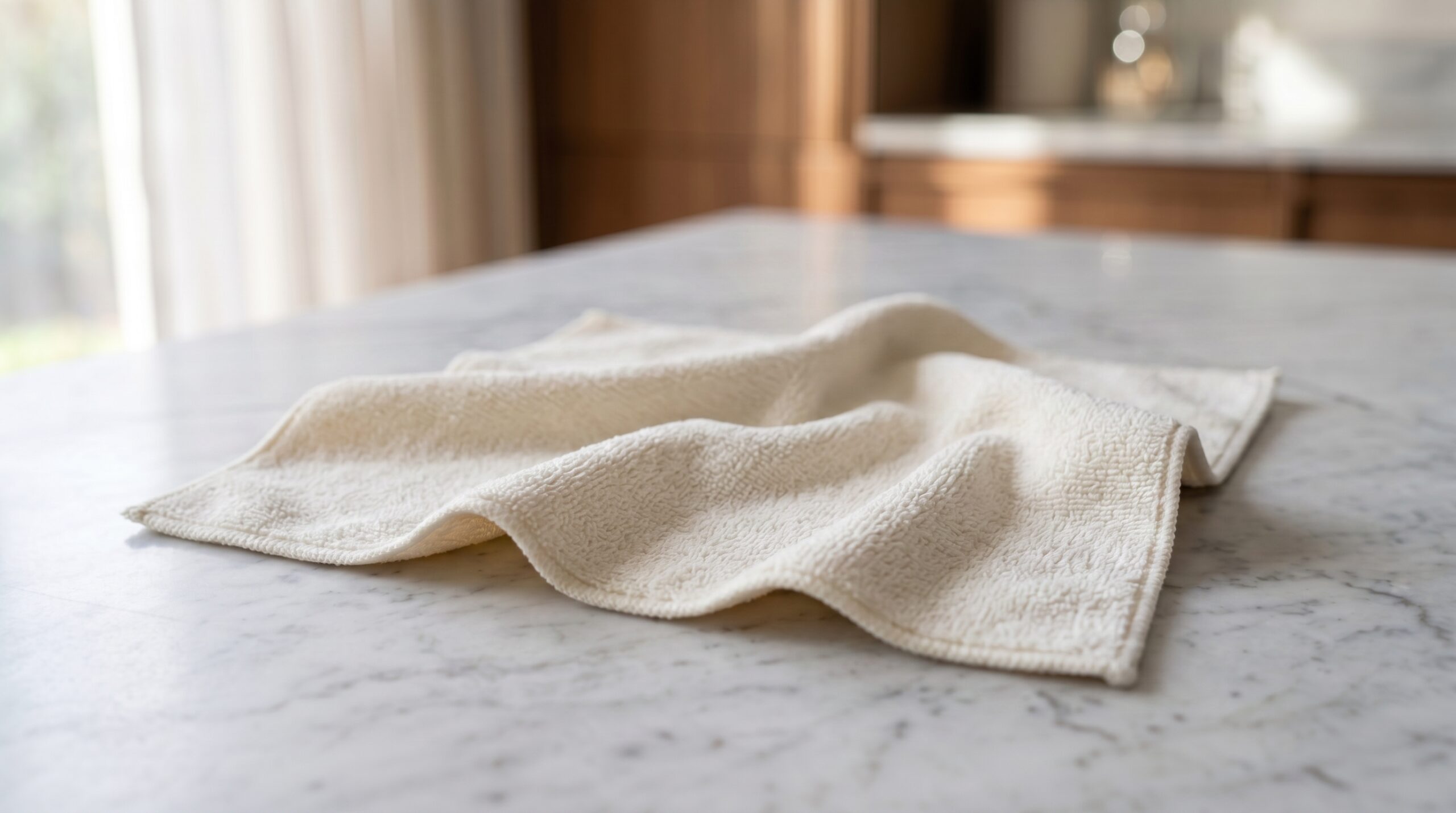
The fine-tuner cloth
Your second cloth is for the follow-up clean. With a light respray, wipe the surface again to remove anything the first cloth may have left behind, including light residue or early smearing.
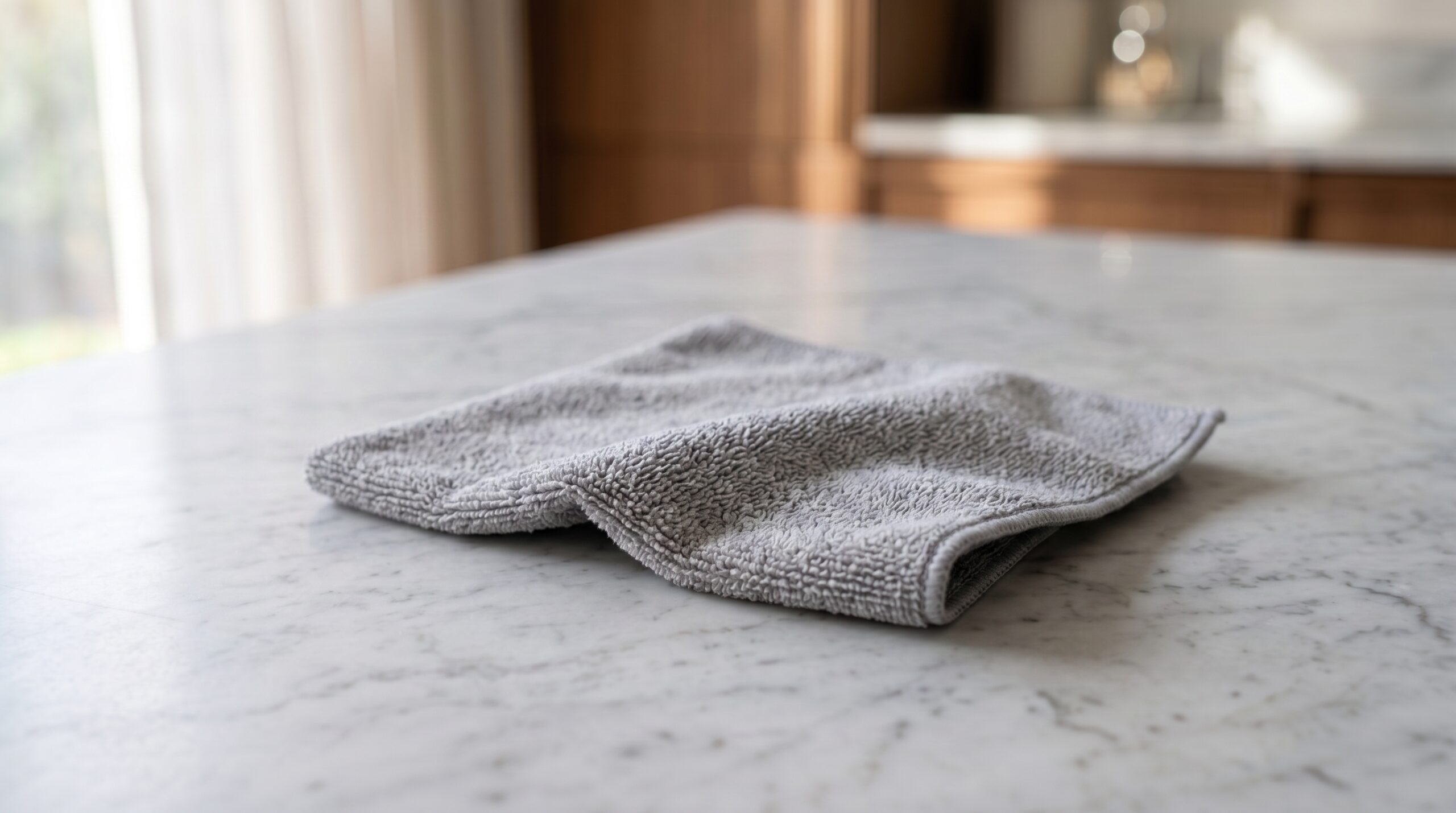
The shining star
Your final cloth should stay as clean as possible. Use it to buff away any remaining moisture and leave the surface dry, clear and even.
The goal is simple: clean the surface thoroughly, without leaving anything behind.
Avoid Residue-Based Cleaners
One of the most common causes of dullness and smearing is using the wrong cleaning product.
Sprays designed to leave a shine, deepen the colour or add a finish often leave behind a film on the surface. Over time, that film builds up and becomes harder to remove, making the worktop look smeary and more difficult to clean properly.
The easiest way to think about this is glass.
If you cleaned a window with the wrong spray and a slightly dirty cloth, the smearing would be obvious straight away. The same thing happens on a worktop. It is just less noticeable at first. Over time, the build-up becomes more visible and more problematic.
When cleaning your worktop, think of glass. The best finish is one that is clean, clear and free from residue.
Natural Stone
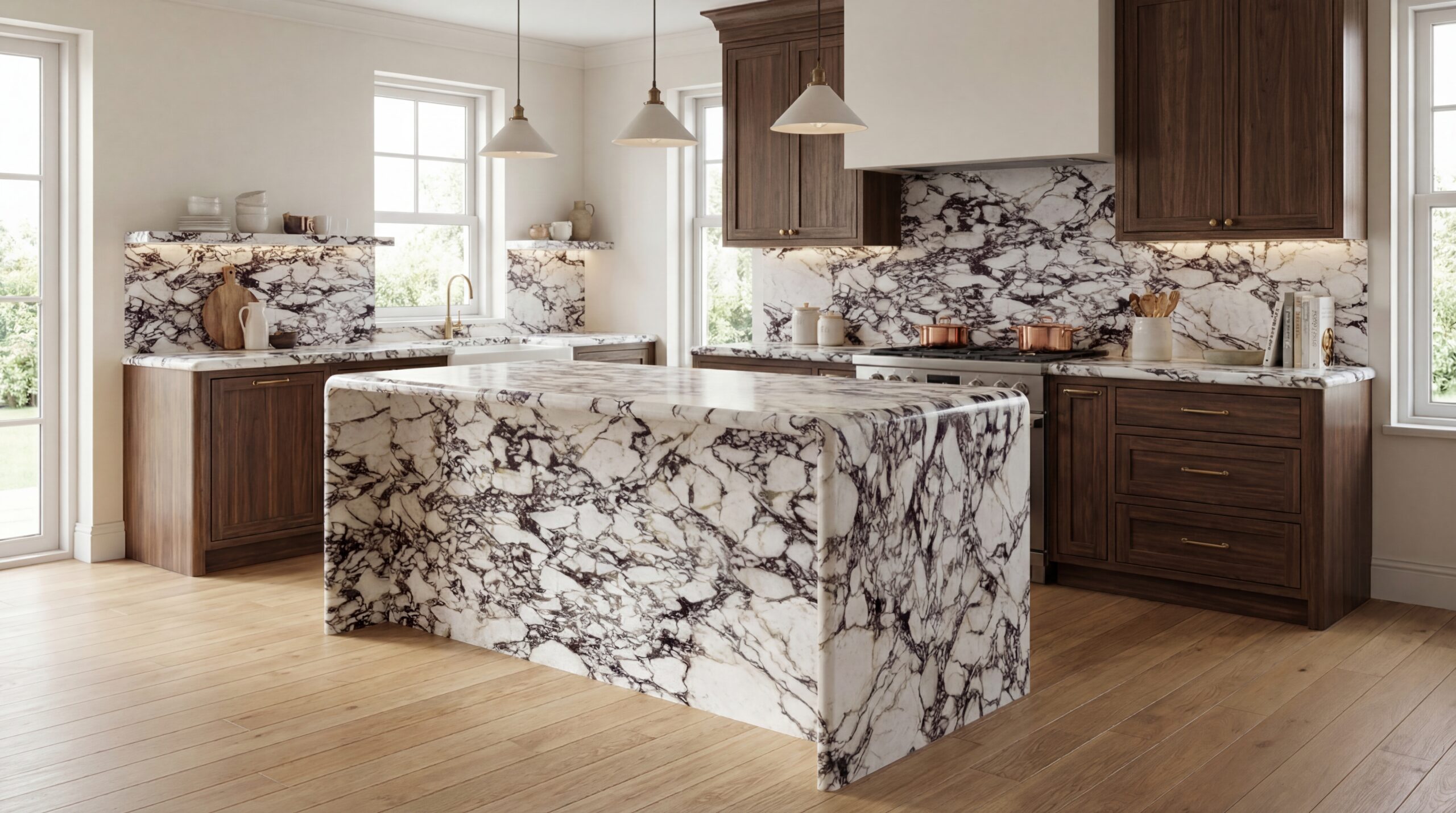
Natural stone needs a little more care and attention.
Marble, granite and quartzite are all different materials, and each will behave differently in use. Some are denser and more resilient, while others are more porous and more sensitive. Marble, for example, will usually require more care than a harder stone such as granite or quartzite.
All natural stone is porous to some degree, so the best approach is to keep on top of spills and clean them down sooner rather than later.
A sealed surface should never be taken for granted. Sealing helps reduce absorption, but it does not make the stone stain-proof or immune to damage.

Understanding Sealing
A good way to think about a sealed worktop is like a freshly waxed car.
When a car is properly waxed, water beads on the surface. A well-sealed stone surface should behave in much the same way. If water is sitting nicely on the surface, the sealer is doing its job. As the sealer begins to wear, the water will start to flatten out and dissipate more quickly.
The sealers we use are designed to last for up to 15 years. That said, all stones are different and usage varies from home to home. If you notice that water is no longer beading as it should, the surface can be topped up with another coat of sealer to restore that added layer of protection.
A simple test to use: if water beads on the surface, the sealer is working well.
Etching and Staining
It is important to understand the difference between staining and etching, particularly with natural stone.
Sprays designed to leave a shine, deepen the colour or add a finish often leave behind a film on the surface. Over time, that film builds up and becomes harder to remove, making the worktop look smeary and more difficult to clean properly.
The easiest way to think about this is glass.
If you cleaned a window with the wrong spray and a slightly dirty cloth, the smearing would be obvious straight away. The same thing happens on a worktop. It is just less noticeable at first. Over time, the build-up becomes more visible and more problematic.
When cleaning your worktop, think of glass. The best finish is one that is clean, clear and free from residue.

Heat Protection
Stone is a durable material, but should never be exposed to sudden, intense heat.
Stone is a durable material, but it should never be exposed to sudden, intense heat.
Hot pans taken straight from the hob or oven should not be placed directly onto the worktop. Natural stone and quartz can both be affected by thermal shock, where a sudden change in temperature places stress on the material and can lead to cracking.
Always use trivets or heat protection beneath hot cookware.
Key Care Principles
Well looked after, a stone surface will age beautifully and continue to perform for many years to come.

Use a neutral cleaner with no additives
Follow the three cloth method
Avoid sprays that leave shine or residue
Clean spills promptly, especially on natural stone
Take extra care with acidic substances
Never place hot pans directly onto the surface
Our expert team is here to help
If you have any questions on how to take care of your stone, our team is here to help.